 By Admin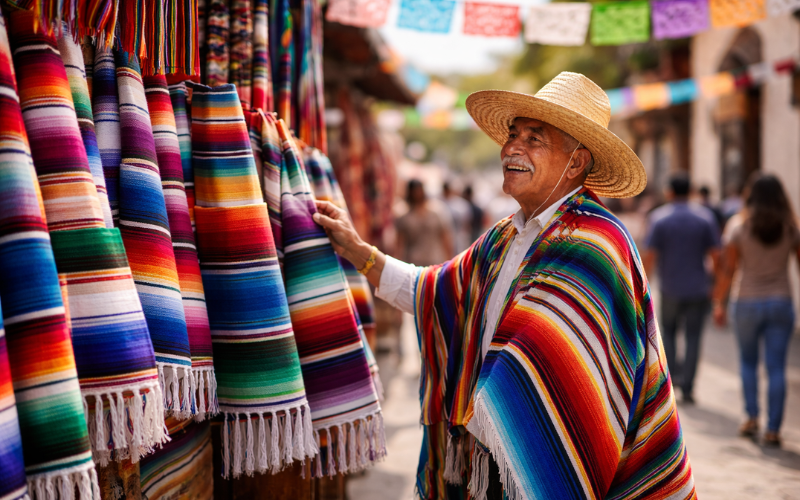
Introduction
A serape is more than just a piece of fabric. It is a traditional garment with deep cultural roots that has remained relevant through centuries of change. Today, people still search for the serape because it connects history, identity, comfort, and modern style in a simple yet meaningful way.
Understanding What a Serape Really Is
A serape is a long, blanket-like garment traditionally worn over the shoulders. It is usually rectangular in shape and often features bold colors, stripes, or symbolic patterns. Unlike fitted clothing, a serape drapes naturally, making it both practical and comfortable. Historically, it was designed to protect the wearer from cold weather while allowing easy movement.
At its core, the serape represents utility and expression at the same time. It can function as outerwear, a wrap, or even bedding, depending on the situation. This flexibility is one of the main reasons the serape has endured for generations. While designs may vary by region, the basic identity of the serape remains the same: a functional garment that reflects cultural heritage.
The Cultural Roots Behind the Serape
The serape has strong ties to Mexican and Indigenous cultures, where it developed as part of everyday life. Long before modern fashion trends, communities relied on simple, durable clothing made from locally available materials. The serape emerged as a response to climate, lifestyle, and cultural values.
Over time, the serape became more than just practical clothing. Colors and patterns often carried meaning, reflecting regional identity or personal status. Wearing a serape was a way to show belonging and tradition. Even today, many people view the serape as a symbol of cultural pride and continuity rather than just a fashion item.
How Indigenous Traditions Shaped the Serape
Indigenous craftsmanship played a central role in shaping the serape as we know it today. Early weavers used hand looms and passed down techniques through generations. Each serape reflected the skill, patience, and creativity of its maker.
These traditions emphasized balance between function and beauty. A serape needed to be warm, strong, and long-lasting, but it was also an opportunity for artistic expression. Patterns were often inspired by nature, daily life, or spiritual beliefs. This deep connection between craftsmanship and culture is what gives the serape lasting authenticity.
Materials, Weaving, and Traditional Craftsmanship of a Serape
Traditional serapes were made using natural materials that were readily available. Wool was one of the most common fibers because it provided warmth and durability. Cotton was also widely used, especially in warmer regions where lighter fabric was preferred.
The weaving process required time and skill. Threads were carefully dyed, often using natural pigments, and then woven by hand into detailed designs. This slow, intentional process meant that no two serapes were exactly the same. The craftsmanship behind a serape is one of the key factors that separates authentic pieces from mass-produced imitations.
Natural Fibers and Traditional Weaving Techniques
Natural fibers play a major role in the quality and feel of a serape. Wool offers insulation and strength, while cotton provides breathability and softness. Some traditional serapes also included blends, depending on regional needs.
Weaving techniques were developed to ensure both comfort and durability. Tight weaving helped protect against wind and cold, while looser patterns allowed flexibility. These techniques were refined over centuries, resulting in garments that could withstand daily use. Even today, handmade serapes are valued for their texture, weight, and craftsmanship.
How the Serape Is Worn and Used Today
In modern times, the serape has found new life beyond its traditional role. People wear serapes as outer layers, shawls, or statement pieces in casual and formal settings. Designers often adapt the classic shape to fit modern wardrobes while preserving its original character.
Beyond clothing, serapes are also used as decorative throws, blankets, or cultural display items. This versatility allows the serape to fit into contemporary lifestyles without losing its historical meaning. Whether worn for warmth or style, the serape continues to offer comfort and visual impact.
Serape vs Similar Garments
The serape is often confused with other traditional garments, but it has distinct characteristics. Its rectangular shape and open design set it apart. Unlike garments with arm openings or stitched sides, the serape is meant to drape freely.
Understanding these differences helps people appreciate the unique role of the serape. While similar items may serve related purposes, the serape’s design emphasizes simplicity, adaptability, and tradition in a way that few garments can match.
Differences Between a Serape, Poncho, and Shawl
A serape is typically longer and more structured than a shawl, which is usually lighter and more decorative. Compared to a poncho, a serape often lacks a central head opening and is worn draped over the shoulders instead.
These distinctions matter because they affect how each garment is worn and used. The serape’s open design makes it easy to layer and adjust, while ponchos and shawls serve different functional and stylistic needs. Knowing these differences helps buyers choose the right garment for their purpose.
Why the Serape Still Holds Value in Modern Fashion and Culture
The lasting appeal of the serape comes from its balance of tradition and adaptability. It represents heritage while fitting easily into modern fashion trends. Many people are drawn to items with cultural depth, and the serape offers a sense of history that mass-produced clothing often lacks.
In fashion, the serape stands out because it does not rely on trends alone. Its patterns, colors, and form have remained relevant across decades. This timeless quality gives the serape ongoing value in both cultural and personal contexts.
Choosing an Authentic Serape
Recognizing an authentic serape involves paying attention to materials, craftsmanship, and origin. Handmade serapes often show slight variations in pattern and texture, which are signs of traditional weaving rather than flaws.
Natural fibers usually feel heavier and warmer than synthetic alternatives. Authentic serapes also tend to have richer colors and more detailed designs. Choosing a genuine serape means supporting traditional craftsmanship and preserving cultural heritage.
Conclusion
The serape is a garment with deep roots and lasting relevance. From its origins in Indigenous craftsmanship to its place in modern fashion, it continues to bridge the past and present. Its simplicity, versatility, and cultural meaning make the serape more than just clothing. It remains a symbol of tradition, comfort, and timeless style that continues to resonate with people around the world.
FAQs
1. What is the traditional purpose of a serape?
Traditionally, a serape was used for warmth, protection, and daily wear. It also served as a blanket or bedding when needed.
2. How is a serape different from a poncho?
A serape is usually a rectangular garment worn over the shoulders, while a poncho often has a head opening and a more structured shape.
3. Are serapes still handmade today?
Yes, many artisans still produce handmade serapes using traditional weaving techniques, especially in regions where the craft has been preserved.
4. Can a serape be worn year-round?
Yes, depending on the material. Wool serapes are better for colder weather, while cotton versions can be worn in warmer seasons.