 By Admin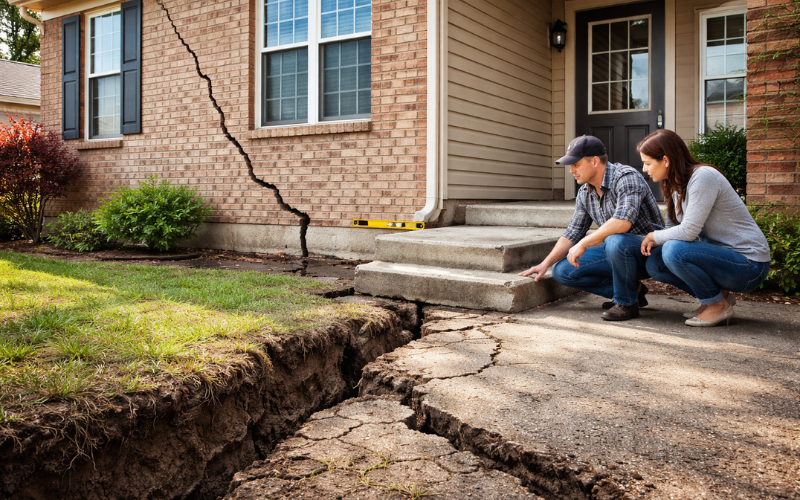
Introduction
Foundation settling is a natural process that occurs when the soil beneath a home shifts or compresses over time. While some settling is expected in most buildings, excessive movement can lead to serious structural problems. Understanding foundation settling is crucial for homeowners, builders, and property buyers, as it can affect the safety, value, and longevity of a property. Common signs, such as cracks in walls or doors that stick, may seem minor at first, but they can indicate more serious underlying issues if left unchecked. Recognizing these signs early and knowing the causes can help prevent costly repairs and maintain a stable home environment.
What Causes Foundation Settling
Several factors contribute to foundation settling, and understanding them is the first step in managing potential problems. Natural soil movement and compaction play a major role. Over time, soil can compress under the weight of a building, causing the foundation to shift slightly. Moisture changes in the soil, including heavy rainfall, drought, or poor drainage, can also cause soil to expand or contract, leading to uneven settling.
Construction and structural factors can exacerbate the issue. Homes built on weak or improperly prepared soil are more susceptible to settling. Similarly, foundations that were not designed to handle the weight or layout of a structure may experience movement over time. Environmental influences, such as earthquakes, floods, or nearby construction work, can accelerate settling or cause sudden foundation shifts. By understanding these causes, homeowners can take proactive steps to minimize risks and protect their property.
Recognizing the Signs of a Settling Foundation
Spotting the signs of foundation settling early can prevent more serious damage down the road. One of the most noticeable indicators is cracks in walls, ceilings, or floors. These cracks may start small but can gradually widen if the foundation continues to move. Doors and windows that stick, jam, or fail to close properly are another common sign, often caused by uneven frames or shifting walls.
Uneven floors or sloping surfaces also suggest that the foundation may not be level. Homeowners might notice that furniture tilts or water pools in certain areas, which can indicate changes in the structure’s base. Gaps around baseboards, exterior walls, or where the foundation meets the house can further confirm that settling is occurring. Observing these signs early allows for timely action, reducing the risk of extensive damage.
Risks and Consequences of Ignoring Foundation Settling
Ignoring foundation settling can lead to serious problems, both structurally and financially. Over time, continued movement can cause major cracks, wall bowing, or even foundation failure, compromising the safety of the home. Such damage can also reduce property value, making it difficult to sell or insure the house.
Additionally, delayed repairs often become more expensive and complicated. Minor issues that could be fixed with simple leveling techniques may require major reconstruction if ignored. Beyond cost, there is also the risk to occupants’ safety, as severe foundation problems can affect the overall stability of the building. Addressing settling early is therefore critical for maintaining a safe and secure home environment.
Preventive Measures and Early Actions
Preventing foundation problems starts with understanding the property and taking proactive steps. Proper soil assessment during construction or before buying a home is key to identifying areas prone to settling. Ensuring proper drainage around the property reduces the risk of soil expansion and contraction caused by water accumulation.
Routine home inspections allow homeowners to detect subtle signs of settling early. Landscaping and moisture control strategies, such as grading the yard away from the foundation or installing gutters, help maintain soil stability. For new construction, using proven techniques like reinforced foundations or compacted soil can minimize the likelihood of settling. By staying attentive and proactive, homeowners can often prevent small issues from becoming major problems.
Professional Solutions for Foundation Issues
When foundation settling is detected, it is often wise to consult a structural engineer or foundation specialist. Professionals can assess the severity of the issue and recommend appropriate solutions. Common repair methods include underpinning, which strengthens the foundation, installing piers to support shifting sections, or using slab jacking to level sunken areas.
Choosing the right repair method depends on the cause and extent of the settling. Long-term effectiveness and cost should also be considered, as some solutions provide immediate fixes while others ensure stability for decades. Professional guidance ensures that foundation repairs are done safely, correctly, and in a way that protects the home’s value.
Maintaining a Healthy Foundation Over Time
Once foundation issues have been addressed, ongoing maintenance is essential. Seasonal inspections can help identify changes caused by shifting soil or fluctuating moisture levels. Homeowners should monitor the soil and water around the foundation, ensuring that drainage systems function correctly and that water does not pool near the structure.
Small repairs, such as sealing minor cracks or reinforcing weakened areas, can prevent future problems. By staying vigilant and taking routine preventive measures, homeowners can maintain a healthy, stable foundation and protect their investment over the long term.
Conclusion
Foundation settling is a common, natural occurrence that can have serious implications if ignored. Recognizing the signs, understanding the causes, and taking preventive or corrective actions are essential for keeping a home safe and stable. Whether through routine inspections, proper drainage, or professional repairs, homeowners have the tools to manage foundation settling effectively. Staying informed and proactive ensures that minor shifts do not escalate into major issues, preserving both the value and safety of the property.
FAQs
1. Is some foundation settling normal?
A: Yes, minor settling is common in most homes, especially during the first few years after construction. Significant or sudden changes, however, require attention.
2. How long does it take for foundation settling to cause serious damage?
A: It varies depending on soil conditions, construction quality, and environmental factors. Regular monitoring helps detect problems early.
3. Can I fix foundation settling myself?
A: Minor issues like small cracks may be manageable, but significant settling usually requires a professional assessment to ensure safety and effectiveness.
4. How much does it cost to repair a settling foundation?
A: Costs depend on the severity and repair method. Minor leveling may cost a few thousand dollars, while extensive underpinning can be significantly higher.