 By Admin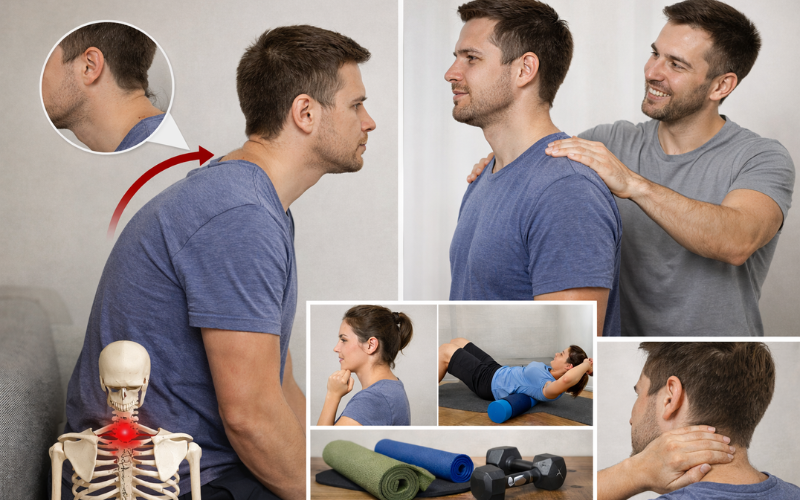
Introduction
A neck hump, sometimes called a buffalo hump or dowager’s hump, is a small but noticeable bump at the base of the neck. Many people notice it after years of poor posture, prolonged desk work, or spending hours looking down at phones. While it can be a cosmetic concern, a neck hump can also cause discomfort, stiffness, and even tension headaches.
Neck humps usually develop because of a combination of factors. Poor posture is the most common cause, often from slouching while sitting, bending forward, or hunching over electronic devices. Muscle imbalances in the upper back, weak postural muscles, and lifestyle habits such as lack of exercise can all contribute. Sometimes medical conditions or long-term steroid use may play a role, but in most cases, simple adjustments can make a noticeable difference.
Understanding the Neck Hump
A neck hump forms when the tissues at the base of the neck and upper back become misaligned or overdeveloped due to prolonged poor posture. Over time, the muscles and ligaments in this area adapt to being in a forward-leaning position, leading to the visible curve or bump.
Common signs of a neck hump include a rounded upper back, a noticeable protrusion at the base of the neck, shoulder tightness, and stiffness in the neck and upper back. Some people also experience headaches or discomfort when looking down for long periods.
Lifestyle plays a major role in its development. Sitting hunched over a computer, slouching in bed, carrying heavy bags on one shoulder, or staring down at phones and tablets can all increase forward head posture. Even sleeping in positions that place strain on the neck can worsen the hump. Understanding how your daily habits contribute is the first step in learning how to fix a neck hump.
Posture Habits That Can Prevent and Reduce a Neck Hump
Correct posture is key to addressing a neck hump. Standing and sitting upright allows your spine, shoulders, and neck to align naturally, reducing strain on muscles and ligaments. Begin by noticing how you sit, stand, and move throughout the day. Small adjustments can have a big impact over time.
For desk work, keep your computer screen at eye level and avoid leaning forward. When using a phone or tablet, bring the device up rather than lowering your head. Sleeping positions also matter; using a supportive pillow that maintains your neck’s natural curve can help. Simple daily changes like sitting back in your chair, rolling your shoulders back, and keeping your head aligned with your spine can gradually reduce the hump and relieve tension.
Exercises and Stretches to Improve Neck Alignment
Targeted exercises can strengthen postural muscles and stretch tight areas, helping to correct the hump over time. Gentle upper back stretches, chest openers, and neck stretches relieve tension in muscles that contribute to forward head posture.
Strengthening exercises, such as scapular squeezes, chin tucks, and rows, help the upper back muscles support proper alignment. Begin with just a few repetitions each day and gradually increase as strength improves. Consistency is more important than intensity. Practicing these exercises daily helps the neck and shoulders regain their natural position, which reduces the appearance of a hump and improves overall comfort.
Ergonomic Adjustments for Home and Work
Your environment plays a major role in posture. Setting up a workstation that supports proper alignment can prevent strain from building up. Chairs should provide back support, with the seat at a height that keeps your feet flat on the floor. Desks should allow your forearms to rest comfortably without hunching, and computer screens should be at eye level.
Even small tweaks, like using a supportive pillow when lounging or keeping your phone at eye level, can reduce forward head posture. Over time, these adjustments create a natural habit of keeping your neck aligned and prevent the hump from worsening.
When to Seek Professional Help
Most neck humps improve with posture changes and exercises, but there are times when professional help is needed. If the hump grows quickly, causes significant pain, or is accompanied by numbness, tingling, or other unusual symptoms, it’s best to consult a healthcare provider.
Physical therapists, chiropractors, and orthopedic specialists can assess your posture and recommend targeted exercises, stretches, or therapies. In some cases, medical conditions such as osteoporosis or fatty deposits may require specific treatment. Seeking professional guidance ensures safe and effective progress toward correcting the hump.
Maintaining Long-Term Results
Fixing a neck hump is not a one-time effort—it requires ongoing awareness and healthy habits. Regular posture checks, consistent exercises, and ergonomic adjustments are essential for preventing the hump from returning. Tracking your progress with photos or simple posture notes can help you stay motivated.
Integrating exercises into daily routines, such as stretching during breaks or performing quick posture resets in the morning and evening, reinforces positive habits. Over time, these small but consistent actions make proper neck alignment feel natural and sustainable.
Conclusion
Learning how to fix a neck hump is about understanding the role of posture, lifestyle, and muscle strength. By making gradual adjustments to the way you sit, stand, and move, and by incorporating simple exercises and stretches, you can reduce the appearance of a neck hump, relieve discomfort, and improve overall posture. While professional guidance may sometimes be needed, consistent effort and mindful habits lead to long-term results and a healthier neck and upper back.
FAQs
1. Can a neck hump go away completely?
Yes, in many cases, a neck hump can be reduced significantly with consistent posture correction, exercises, and ergonomic adjustments. The extent of improvement depends on factors like age, muscle flexibility, and how long the hump has been present.
2. How long does it take to see results?
Visible improvements usually take a few weeks to a few months, depending on consistency. Daily posture awareness, stretches, and strengthening exercises are key to seeing steady progress.
3. Are there any exercises to avoid?
Avoid exercises that strain the neck or force it into extreme forward positions. Heavy weightlifting or abrupt neck movements without proper guidance can worsen the hump. Always prioritize gentle, controlled movements