 By Admin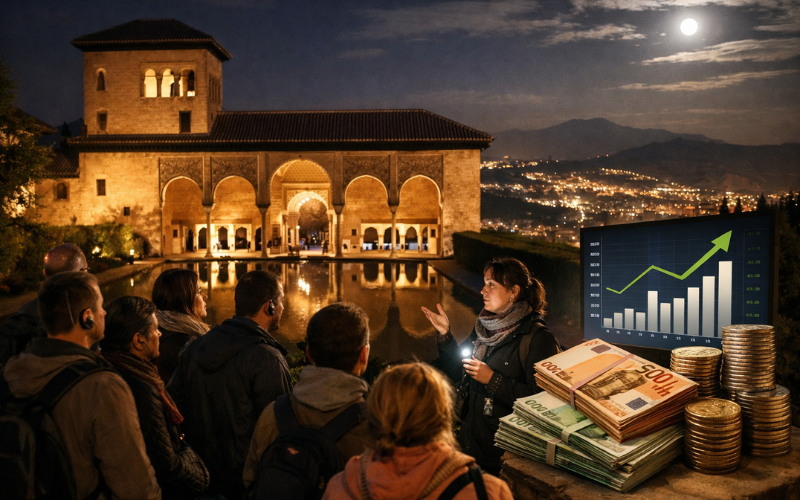
Introduction
The Alhambra, a historic palace and fortress in Granada, Spain, has long been a magnet for tourists worldwide. In recent years, the Alhambra Night Tour has gained remarkable popularity, offering visitors a unique opportunity to experience the palace’s intricate architecture and serene gardens under the glow of evening lights. Unlike daytime visits, the night tour combines history with ambiance, creating a more intimate experience of one of Spain’s most iconic landmarks.
When we talk about attendance revenue, we are referring to the total income generated from ticket sales and visitor fees for these tours. In simple terms, it’s the money collected each night from the people who choose to explore the Alhambra after sunset. For tour operators, cultural institutions, and city planners, understanding this revenue is crucial. It helps determine visitor demand, inform pricing strategies, and ensure that the Alhambra continues to thrive both culturally and financially.
The Rise of the Alhambra Night Tour
Nighttime visits at the Alhambra are a relatively modern addition to the traditional daytime tours. Historically, most visitors explored the palace and gardens during daylight, when the full splendor of the Moorish architecture could be seen clearly. However, as tourism trends evolved, the idea of night tours emerged to offer a different perspective. These tours allow visitors to enjoy cooler temperatures, quieter surroundings, and a magical ambiance created by subtle lighting.
Several factors have contributed to the growth of the night tour. For one, the unique experience itself has become a strong draw for tourists looking for more than just a daytime visit. Night tours often include specialized guides who provide storytelling and historical context, making the visit more engaging. Additionally, social media and online reviews have amplified interest, with travelers sharing photos and experiences of the Alhambra at night.
Understanding Attendance Revenue
Attendance revenue is a key metric for assessing the financial performance of the Alhambra Night Tour. At its core, it includes the total income generated from ticket sales, whether booked online or purchased on-site. Several factors influence this revenue. Ticket pricing is a primary driver; night tour tickets are often priced higher than daytime tickets due to their limited availability and unique experience.
Visitor volume is another critical factor. The number of tickets sold each evening can fluctuate depending on the season, day of the week, or special events. For instance, weekends and holiday periods tend to see higher attendance, while weekdays might attract fewer visitors. Seasonal factors also play a role. Warmer months usually draw larger crowds, but night tours remain appealing even during cooler periods due to their quieter atmosphere.
Tracking and analyzing revenue requires careful monitoring of both ticket sales and visitor patterns. Cultural institutions may use digital ticketing systems, reservation data, and attendance logs to understand trends. This information is invaluable for planning purposes, allowing operators to adjust tour availability, pricing, and marketing strategies to optimize revenue without compromising visitor experience.
Visitor Trends and Patterns
Understanding who attends the Alhambra Night Tour provides insight into how attendance revenue is generated. Typically, the night tours attract a mix of international tourists, local visitors, and cultural enthusiasts. Many visitors are drawn to the tour for its unique perspective on the historic site, while others are attracted by guided storytelling, musical events, or seasonal celebrations.
Peak visiting times are usually during the late spring and summer months, coinciding with longer daylight hours and tourist seasons. Weekends and holiday periods see the highest attendance, while midweek nights experience slightly lower visitor numbers. Despite these fluctuations, the overall trend has been steady growth in night tour participation over the past decade.
Visitor behavior directly impacts revenue. Tourists who purchase premium experiences or additional guided options contribute more to overall income. Repeat visitors or those attending special events also boost revenue figures. By analyzing these trends, operators can predict demand and adjust offerings to maintain a balance between revenue growth and quality of the visitor experience.
Factors Influencing Night Tour Revenue
Several factors can significantly influence the attendance revenue of the Alhambra Night Tour. Special events, such as musical performances or cultural festivals held in the palace grounds, often attract larger crowds and higher ticket prices. These events can temporarily spike revenue, providing valuable insights for scheduling future tours.
Marketing strategies also play a crucial role. Online ticketing platforms, social media promotions, and travel websites help reach a broader audience and encourage advanced bookings. Effective marketing ensures that potential visitors are aware of the night tour and its unique benefits, directly contributing to higher attendance revenue.
External factors, including weather, local holidays, and tourism policies, can also impact revenue. Rainy nights or unexpected closures may reduce ticket sales, while holidays and public events often drive higher attendance. For city planners and tour operators, understanding these variables is key to maintaining consistent revenue streams.
Comparing Revenue: Night Tours vs. Day Tours
When comparing night and day tours, several differences in revenue patterns emerge. Day tours typically attract larger groups, generating steady income throughout the year. Night tours, however, are often more exclusive, with limited tickets available per evening. This exclusivity allows for slightly higher pricing, which can offset the smaller visitor numbers.
Night tours contribute uniquely to the Alhambra’s financial performance. They not only add an additional revenue stream but also diversify the visitor experience, attracting audiences who may not attend daytime tours. By understanding attendance revenue trends, operators can optimize tour schedules, ensuring that both day and night tours complement each other without cannibalizing ticket sales.
Insights from revenue comparisons also help in forecasting and planning. For example, if night tours consistently show higher revenue per visitor, operators may consider offering premium packages or seasonal specials to further enhance income.
Strategies for Maximizing Attendance Revenue
Enhancing the visitor experience is one of the most effective ways to increase attendance revenue. High-quality guides, immersive storytelling, and well-maintained facilities encourage repeat visits and positive word-of-mouth. The more enjoyable the experience, the more likely visitors are to purchase tickets in the future.
Leveraging online platforms is another key strategy. Early bookings, dynamic pricing, and online promotions help maximize revenue while reaching a global audience. Digital platforms also provide valuable data on visitor behavior, which can guide future marketing and operational decisions.
Partnerships with local businesses, hotels, or cultural events can also boost revenue. Collaborative promotions, package deals, or combined tickets encourage visitors to extend their stay and spend more, benefiting both the Alhambra and the surrounding tourism ecosystem.
Conclusion
The Alhambra Night Tour attendance revenue provides a clear window into the success and sustainability of this popular cultural experience. By understanding visitor trends, pricing strategies, and factors influencing revenue, tour operators and city planners can make informed decisions that enhance both the visitor experience and financial performance. Night tours not only offer a unique glimpse into one of Spain’s most historic landmarks but also serve as a vital revenue stream that supports ongoing preservation and cultural engagement. For anyone involved in tourism or cultural management, tracking and optimizing attendance revenue remains an essential tool for long-term planning and success.
FAQs
1. How does the Alhambra Night Tour differ from daytime visits?
Night tours provide a more intimate and atmospheric experience, often with smaller groups and guided storytelling. While daytime tours showcase the full architectural beauty, night tours highlight the palace’s lighting, gardens, and tranquil ambiance.
2. What factors most affect night tour attendance revenue?
Ticket pricing, seasonal demand, special events, marketing strategies, and external factors like weather all play key roles in determining attendance revenue.
3. Can attendance revenue be used to improve the visitor experience?
Yes, analyzing revenue trends helps operators identify popular offerings, optimize tour schedules, and invest in enhancements that make the night tour more engaging and enjoyable.