 By Admin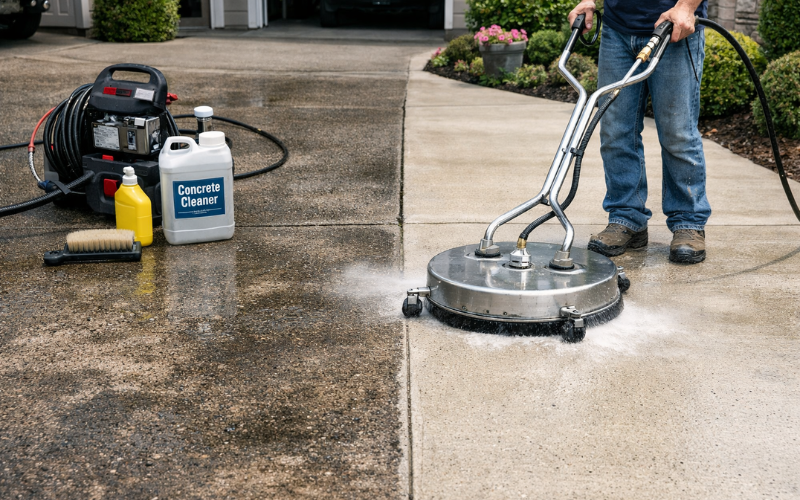
Introduction
Concrete is one of the most durable and widely used materials in homes, businesses, and public spaces. Over time, however, it can accumulate dirt, stains, and other debris that make it look worn or neglected. That’s where a concrete cleaner comes in. A concrete cleaner is a product specially formulated to remove tough stains and restore the natural look of concrete surfaces without damaging them.
Keeping concrete clean is more than just an aesthetic choice. Clean concrete is safer, reducing the risk of slips or accidents caused by algae, mold, or oil spills. It also protects the surface, prolonging its life and keeping it strong. However, cleaning concrete comes with challenges. The surface is porous, which means it can absorb liquids, and not all cleaners are safe to use. Knowing how to pick and use the right concrete cleaner is essential for achieving great results without stress.
Understanding Concrete Cleaner and Its Uses
Concrete is different from wood, tile, or other surfaces because of its porous and textured nature. Dirt, grime, and spills can easily settle into its pores, making regular cleaning more complicated. That’s why concrete cleaners are formulated to penetrate these pores and lift away stubborn substances.
Concrete cleaners are versatile and can be used in many areas around your home or property. Common applications include driveways, patios, garages, sidewalks, and even indoor floors. Whether it’s oil from a car, rust from metal furniture, mold from damp areas, or general dirt from heavy foot traffic, a concrete cleaner can tackle these problems effectively.
Types of Concrete Cleaners
Not all concrete cleaners are the same. There are several types, each suited for specific purposes. Acid-based cleaners are strong and can remove rust, mineral deposits, and tough stains. They are effective but require careful handling, protective gear, and proper ventilation. On the other hand, alkaline cleaners are generally safer for routine cleaning. They work well on grease, oil, and everyday dirt, making them ideal for garages, driveways, and patios.
Eco-friendly and non-toxic cleaners are also gaining popularity. These products are designed to clean effectively while being safe for pets, plants, and the environment. They are often made from biodegradable ingredients, which makes them a responsible choice for homeowners looking to reduce chemical use.
For particularly stubborn stains, there are specialized concrete cleaners formulated for oil, rust, mold, or mildew. Choosing the right type of cleaner for the specific stain ensures the best results while minimizing the risk of damaging the surface.
How to Choose the Right Concrete Cleaner
Selecting the right concrete cleaner depends on several factors. First, consider the type of surface. Smooth indoor concrete may require a milder cleaner, while rough outdoor surfaces can handle stronger products. Next, think about the kind of stain you are treating. Grease and oil stains need different solutions than rust or mold.
Safety is another important consideration. Always check whether a product is safe for use around people, pets, and plants, especially if you are cleaning outdoor spaces. Some strong chemicals can be harmful if misused.
Finally, weigh cost against effectiveness. While some premium cleaners are more expensive, they can save time and effort. Cheaper alternatives may work for light cleaning but might require multiple applications for tougher stains. Balancing these factors helps you select a concrete cleaner that fits both your needs and budget.
Step-by-Step Guide to Using Concrete Cleaner Safely
Before applying any cleaner, prepare the area by removing loose dirt, debris, or objects. For outdoor spaces, sweeping the surface first can make a big difference. Wear protective gloves, eyewear, and clothing if you are using strong chemicals.
Follow the instructions on the product label carefully. Apply the cleaner evenly over the stained area and allow it to sit for the recommended time. Use appropriate tools, such as stiff brushes or scrubbers, to work the cleaner into the concrete. Avoid using metal tools that could scratch the surface.
Rinse thoroughly with water, preferably using a hose or pressure washer for outdoor areas. Avoid leaving cleaner residue behind, as it can attract dirt and cause discoloration. With careful application, concrete cleaners can remove tough stains without harming the surface.
Maintaining Clean Concrete After Treatment
Cleaning concrete once is often not enough. Regular maintenance helps prevent future staining and extends the life of your surfaces. Simple preventive measures include sweeping regularly, promptly cleaning up spills, and avoiding harsh chemicals that can erode the surface.
Routine washing with a mild concrete cleaner can help maintain the appearance and safety of the surface. Outdoor concrete may also benefit from sealants, which create a protective barrier against dirt, water, and stains. For indoor concrete, damp mopping with a gentle cleaner can keep floors looking fresh without causing damage.
Common Mistakes to Avoid When Cleaning Concrete
One of the most frequent mistakes is overusing chemicals or scrubbing too aggressively. Strong cleaners or harsh scrubbing can damage concrete, leaving it rough or discolored. Always follow the product’s recommended usage and use gentle pressure when scrubbing.
Ignoring safety instructions is another common error. Even mild cleaners can cause irritation if they come in contact with skin or eyes, and some chemicals are harmful to pets or plants.
Mixing incompatible cleaners can also be dangerous. Certain combinations can produce toxic fumes or reduce effectiveness. Stick to one cleaner at a time and rinse thoroughly between different products. Avoiding these mistakes ensures your concrete surfaces are cleaned safely and effectively.
Conclusion
Concrete cleaners are essential tools for keeping your surfaces looking fresh, safe, and long-lasting. By understanding the different types of cleaners, selecting the right product for your needs, and applying it safely, you can tackle stains and grime without stress. Regular maintenance and careful cleaning practices will keep your concrete in top condition, making your driveways, patios, garages, and sidewalks look great for years to come.
FAQs
1. Can I use household cleaners like bleach or vinegar on concrete?
Yes, for mild stains, some household cleaners can work. However, strong acids or concentrated bleach can damage concrete if not used carefully. Always test a small area first.
2. How often should I clean my concrete surfaces?
Outdoor concrete should be cleaned at least twice a year, or more frequently if exposed to heavy traffic, spills, or stains. Indoor surfaces can be cleaned as needed, typically monthly or quarterly.
3. Is a pressure washer necessary for concrete cleaning?
Not always, but it can make cleaning faster and more effective for large outdoor areas. For delicate surfaces or indoor concrete, a brush and mild cleaner may be sufficient.