 By Admin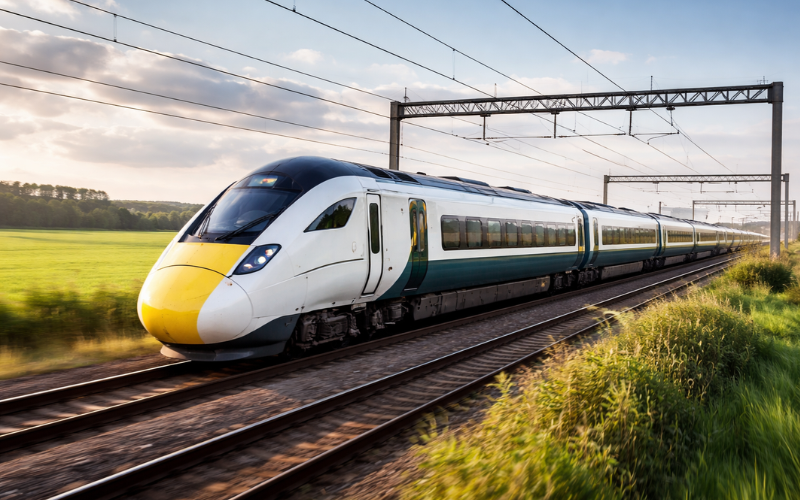
Introduction
The Intercity Express Programme is one of the largest rail modernisation projects in the United Kingdom. It was created to replace ageing long-distance trains with faster, more reliable, and more efficient models. Over time, many of Britain’s intercity trains had become outdated, leading to higher maintenance costs and lower performance. The Intercity Express Programme was designed to address these issues and bring the country’s long-distance rail network into a new era.
Before the programme began, much of the UK’s intercity rail system relied on fleets introduced in the 1970s and 1980s. While these trains served the country well for decades, they were no longer suited to modern passenger expectations or environmental standards. The Intercity Express Programme was introduced to improve reliability, reduce emissions, and provide a better travel experience.
The Origins and Purpose of the Intercity Express Programme
To understand the Intercity Express Programme, it helps to look at the state of Britain’s rail network before it was launched. Many long-distance routes were operated by the well-known High Speed Train (HST) fleet, which had been in service for decades. Although these trains were once considered cutting-edge, they gradually became more expensive to maintain and less efficient compared to modern alternatives.
By the early 2000s, it was clear that a major upgrade was needed. The government wanted to modernise long-distance rail services, reduce delays, improve fuel efficiency, and support environmental goals. The Intercity Express Programme was introduced as a long-term solution to these challenges.
The main objective of the programme was to replace old trains with new ones that could operate on both electrified and non-electrified routes. This flexibility was important because not all UK rail lines were fully electrified. The long-term vision was to create a more reliable, energy-efficient, and passenger-friendly intercity rail system that could support economic growth across the country.
How the Intercity Express Programme Works
The Intercity Express Programme was delivered through a partnership between the UK government and private companies. Instead of simply purchasing trains outright, the government entered into long-term agreements with manufacturers and service providers. This approach allowed for shared responsibility in building, financing, and maintaining the new fleet.
The trains were built by a consortium led by Hitachi Rail, which established manufacturing facilities in the UK. This partnership model meant that the company was not only responsible for producing the trains but also for maintaining them over many years. This long-term arrangement helps ensure that the trains remain reliable and efficient throughout their lifespan.
Rail operators run the trains on specific routes, but the overall structure of the Intercity Express Programme includes ongoing maintenance, performance monitoring, and upgrades. By combining public planning with private expertise, the programme aimed to reduce risk and improve efficiency in delivering modern rail services.
The Trains Introduced Under the Intercity Express Programme
A key part of the Intercity Express Programme was the introduction of a new generation of trains. These include the Class 800 and Class 802 series, which were designed to operate at high speeds while offering greater flexibility than older models.
One of the most important features of these trains is their bi-mode technology. In simple terms, this means they can run using electric power where overhead wires are available and switch to diesel power on routes that are not electrified. This makes them suitable for a wide range of UK routes without requiring immediate full electrification.
The new trains were also designed with passengers in mind. They offer improved seating, better lighting, more luggage space, power sockets at seats, and clearer information systems. They are capable of operating at speeds of up to 125 mph, helping to reduce journey times on key intercity routes. The combination of higher capacity and modern technology has made them a central feature of Britain’s updated rail system.
Routes and Rail Operators Involved
The Intercity Express Programme covers some of the most important long-distance routes in the UK. These include major lines connecting London with cities in the South West, Wales, the Midlands, and the North of England and Scotland.
Several rail operators use the trains introduced under the programme. These include Great Western Railway, London North Eastern Railway, and TransPennine Express. Each operator runs services on different routes, but all benefit from the modern fleet provided by the Intercity Express Programme.
The geographic coverage of the programme means that millions of passengers each year travel on these trains. By connecting major cities and regional centres, the programme plays an important role in supporting business travel, tourism, and daily commuting across Britain.
Economic and Industry Impact of the Intercity Express Programme
The Intercity Express Programme represents a major investment in the UK’s transport infrastructure. The scale of funding runs into billions of pounds, reflecting the size and ambition of the project. This investment has had a significant impact on the rail industry and the wider economy.
One important effect has been job creation. The establishment of train manufacturing facilities in the UK has supported skilled employment in engineering, design, and maintenance. The supply chain for parts, services, and technology has also benefited from the programme.
In addition, the long-term maintenance contracts linked to the Intercity Express Programme help provide stable work for many years. The programme has strengthened the UK’s position in rail manufacturing and has encouraged further investment in modern rail technology. Over time, improved reliability and faster journeys may also support economic growth by making it easier for people and businesses to connect.
Passenger Experience and Service Improvements
For passengers, the Intercity Express Programme has brought noticeable changes. One of the main improvements has been reliability. Newer trains tend to experience fewer breakdowns than older fleets, leading to more consistent services.
Comfort has also improved. Modern seating layouts, better air conditioning, and quieter journeys have enhanced the overall travel experience. Accessibility features, such as step-free access and dedicated spaces for wheelchairs, have made travel more inclusive.
Passengers have generally welcomed the newer trains, although feedback has sometimes been mixed regarding seating firmness and layout changes. Compared to the previous generation of intercity services, the Intercity Express Programme has delivered a more modern and connected experience, especially with features such as onboard Wi-Fi and charging points.
Challenges, Criticism, and Ongoing Developments
Like many large infrastructure projects, the Intercity Express Programme has faced criticism and challenges. Some concerns have focused on the overall cost of the programme and the long-term financial commitments involved. There have also been discussions about seating design and ride comfort on certain routes.
Technical challenges have occasionally arisen, particularly during the early years of operation. Introducing new trains across multiple routes required adjustments to infrastructure, driver training, and maintenance processes. Over time, many of these issues have been addressed through upgrades and operational improvements.
Environmental considerations have also been part of the discussion. While bi-mode trains reduce reliance on diesel compared to older fleets, some critics argue that faster electrification of routes would further reduce emissions. As electrification expands, the role of electric operation within the Intercity Express Programme is expected to grow.
The Future of the Intercity Express Programme
Looking ahead, the Intercity Express Programme is likely to remain a key part of the UK rail network for decades. As more routes become electrified, the electric capabilities of the trains will play an even larger role in reducing emissions.
Future upgrades may include improvements to onboard technology, enhanced passenger information systems, and potential adjustments to interiors based on passenger feedback. The trains were designed with long-term use in mind, allowing for updates as technology evolves.
The programme also fits into wider government plans for sustainable transport and rail reform. By combining modern trains with infrastructure improvements, the Intercity Express Programme supports the goal of creating a cleaner, more reliable, and more connected rail network across Britain.
Conclusion
The Intercity Express Programme is a major step forward for Britain’s long-distance rail services. Created to replace ageing trains and modernise the network, it has introduced faster, more flexible, and more comfortable trains on some of the country’s busiest routes.
While the programme has faced criticism and challenges, it has also delivered significant improvements in reliability, passenger experience, and industrial investment. Its impact reaches beyond individual journeys, influencing the wider rail industry and supporting economic connections between regions.
As the UK continues to invest in rail electrification and sustainable transport, the Intercity Express Programme will remain central to shaping the future of intercity travel. It represents a long-term commitment to modern rail services that aim to meet the needs of both today’s passengers and future generations.
FAQs
1. What is the Intercity Express Programme?
The Intercity Express Programme is a UK government-led rail project designed to replace older long-distance trains with modern, faster, and more efficient models across key intercity routes.
2. Which trains are part of the Intercity Express Programme?
The programme introduced new trains such as the Class 800 and Class 802 series, built by Hitachi Rail. These trains can operate using both electric and diesel power.
3. Why was the Intercity Express Programme introduced?
It was introduced to modernise the UK’s ageing intercity fleet, improve reliability and passenger comfort, reduce environmental impact, and support long-term growth in rail travel.