 By Admin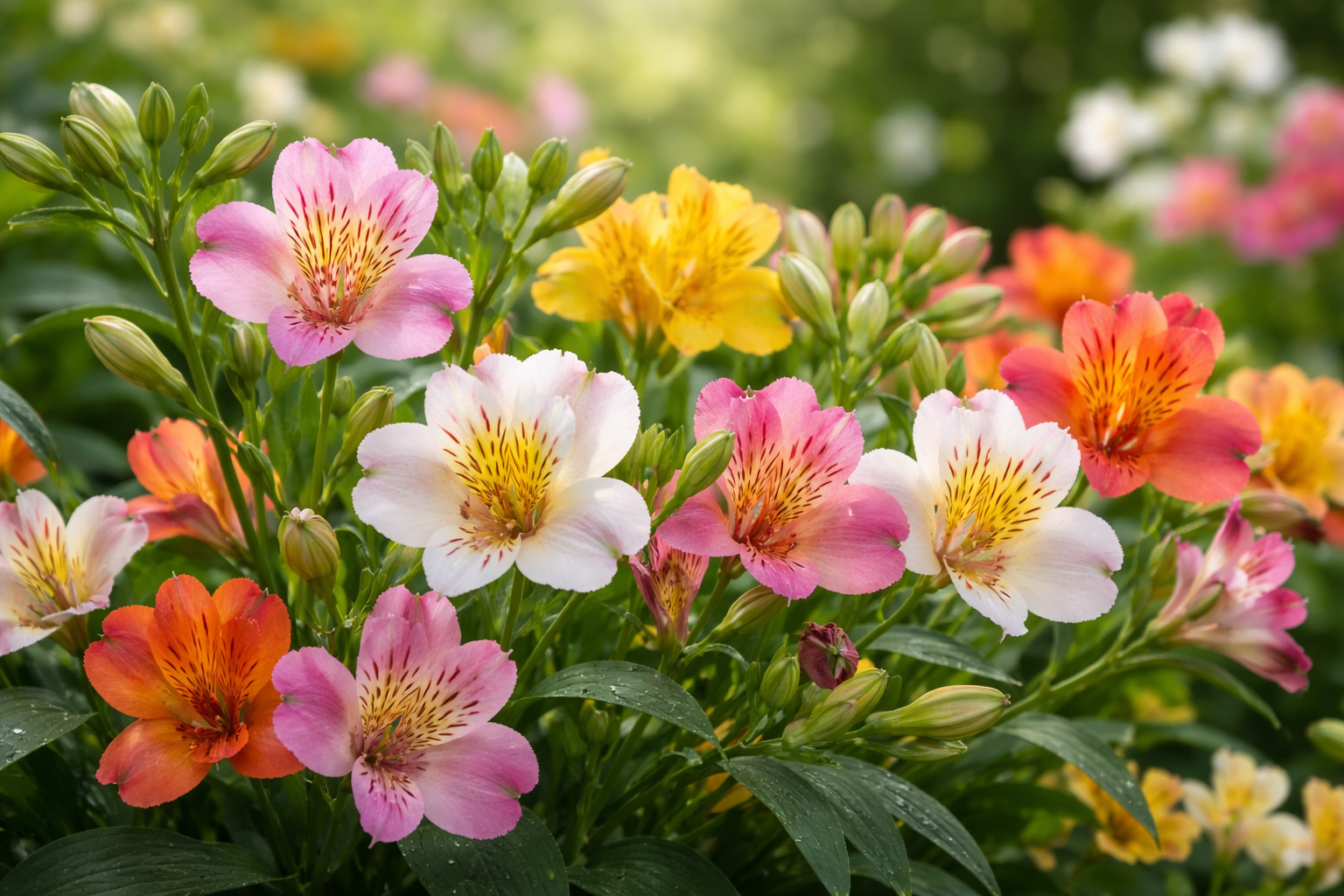
Introduction
The lily alstroemeria, often called the Peruvian lily or lily of the Incas, is a captivating flower prized for its vibrant colors, delicate petals, and long-lasting blooms. Unlike traditional lilies, the alstroemeria features a unique blend of patterns and hues, ranging from soft pastels to bold, striking shades. This combination of beauty and resilience has made it a favorite among gardeners, florists, and flower enthusiasts around the world.
Understanding Lily Alstroemeria
Lily alstroemeria is a perennial plant known for its clusters of trumpet-shaped flowers, which often display intricate streaks or spots. Its leaves are lance-shaped and tend to twist slightly, giving the plant a graceful appearance. These flowers can be found in a wide range of colors including white, pink, orange, red, yellow, and purple, often with contrasting markings that make each bloom unique.
Originating in South America, particularly in Chile and Brazil, lily alstroemeria thrives in temperate climates. The plant is well-adapted to a variety of garden conditions, though it naturally favors well-drained soil and moderate sunlight. Typically, alstroemerias bloom from late spring to early autumn, offering vibrant splashes of color throughout the growing season. Gardeners appreciate this extended blooming period, as it allows for a continuous display of flowers that can brighten any outdoor or indoor space.
How to Plant Lily Alstroemeria
Planting lily alstroemeria starts with selecting the right location. These flowers prefer well-draining soil that is rich in organic matter. A sunny spot with some afternoon shade is ideal, as it helps the plant produce more flowers while preventing the leaves from scorching in extreme heat.
Begin by preparing the soil, loosening it to a depth of about 12 inches, and mixing in compost or well-rotted manure. Plant tubers or young plants at a depth of 2 to 3 inches, spacing them roughly 12 inches apart to allow room for growth. Water the newly planted alstroemerias thoroughly, ensuring the soil is moist but not waterlogged. Companion planting can enhance their growth; planting them near low-growing shrubs or ornamental grasses can provide natural support and contrast.
Caring for Lily Alstroemeria
Caring for lily alstroemeria involves regular attention to watering, feeding, and general maintenance. These plants enjoy consistent moisture, especially during dry spells, but standing water should be avoided to prevent root rot. Fertilizing every six to eight weeks with a balanced, slow-release fertilizer helps promote strong stems and abundant blooms.
Pruning is also important for maintaining plant health. Remove spent flowers regularly, a process called deadheading, which encourages new blooms to form. Trim any yellowing or damaged leaves to keep the plant looking fresh. While lily alstroemeria is relatively resistant to pests, occasional infestations of aphids, slugs, or spider mites may occur. Monitoring the plants regularly and using gentle, natural treatments when needed can help prevent serious problems.
Creative Ways to Use Lily Alstroemeria
One of the appealing aspects of lily alstroemeria is its versatility in both indoor and outdoor settings. In floral arrangements, these flowers can be combined with roses, lilies, or greenery to create striking bouquets that last for weeks. Their long stems and sturdy blooms make them ideal for cut flowers, offering vibrant color and texture to dining tables, living rooms, or office spaces.
In the garden, lily alstroemeria can be used to add layers of color along borders, pathways, or mixed flower beds. They complement shrubs and perennials, creating a dynamic and ever-changing display. Additionally, planting them in decorative containers allows gardeners to enjoy their beauty on patios, balconies, or indoor sunrooms. Their flexibility makes lily alstroemeria a favorite choice for those looking to blend elegance with practicality.
Harvesting and Propagating Lily Alstroemeria
Harvesting lily alstroemeria requires timing and care. Cut the flowers when the buds are partially open for the longest vase life. Use clean, sharp scissors or garden shears, cutting at an angle to allow maximum water absorption.
Propagation is possible through several methods. Division is the most common and effective way to multiply your plants. This involves carefully separating the tubers during the dormant season and replanting them in prepared soil. Alstroemerias can also be grown from seeds, though this method takes longer and requires patience. With proper care, new plants will bloom within one to two years, continuing the cycle of beauty in your garden.
Common Challenges and Troubleshooting
While lily alstroemeria is generally easy to grow, gardeners may encounter some challenges. Yellowing leaves often indicate overwatering or nutrient deficiencies, while poor blooms may result from insufficient sunlight or improper fertilization. Seasonal adjustments, such as mulching in winter or providing shade during peak summer heat, can help protect the plants and ensure consistent flowering.
Addressing these issues promptly is key. Regularly inspecting the plants for signs of stress, adjusting watering schedules, and maintaining healthy soil will help lily alstroemeria thrive year after year. With attention and care, these flowers can remain vibrant, producing colorful clusters that enhance any garden or home space.
Conclusion
Lily alstroemeria is a stunning, versatile flower that adds color, elegance, and life to gardens, homes, and floral arrangements. Its unique patterns, long-lasting blooms, and adaptability make it a favorite among both novice and experienced gardeners. By understanding its growth requirements, practicing proper care, and exploring creative ways to display it, anyone can enjoy the beauty of lily alstroemeria. Whether planted in garden beds, containers, or used as cut flowers, this remarkable plant continues to captivate with its charm and resilience.
FAQs
1. How long do lily alstroemeria blooms last?
Individual blooms can last up to two weeks when cut, and the plant produces multiple flowers over several months in the growing season.
2. Can lily alstroemeria grow in pots?
Yes, they thrive in containers as long as the soil is well-draining and they receive adequate sunlight and water.
3. Is lily alstroemeria resistant to pests?
While generally resilient, occasional issues with aphids, slugs, or spider mites can occur. Regular inspection and natural pest management help keep plants healthy.