 By Admin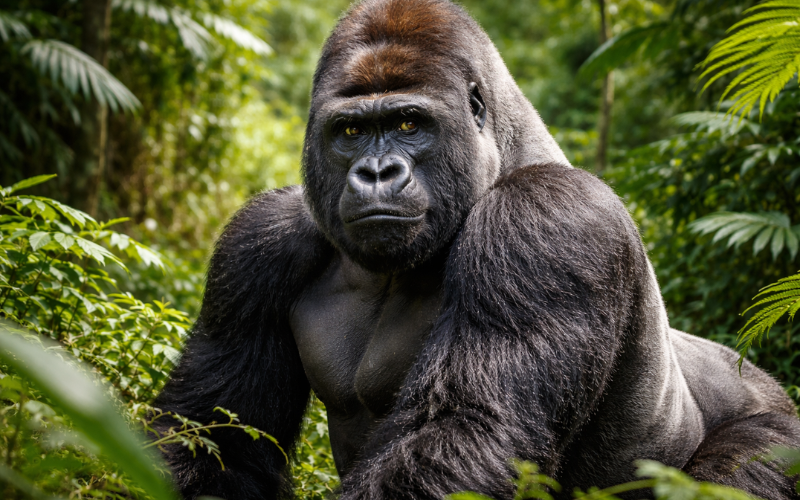
Introduction
The silverback gorilla is one of the most iconic and awe-inspiring animals in the world. Known for their impressive size, strength, and calm presence, these magnificent primates capture the imagination of wildlife enthusiasts everywhere. Silverbacks are adult male gorillas, recognized by the distinctive patch of silver hair that develops on their backs as they mature. This feature not only signals their age but also their status as leaders within their social groups.
In the animal kingdom, silverback gorillas hold a unique place. They are not only a symbol of power and protection but also play a vital role in maintaining the social structure and harmony of gorilla troops. Understanding the life of a silverback provides insight into both their intelligence and the intricate social bonds that define gorilla communities.
The Distinctive Features of a Silverback Gorilla
Silverback gorillas are physically imposing animals, with muscular bodies and broad chests that reflect their strength. Adult males typically weigh between 300 to 485 pounds (135 to 220 kilograms) and can stand up to six feet tall when upright. One of the most striking features is, of course, the silver hair on their backs, which generally appears when a male reaches around 12 years of age, marking his transition into adulthood.
Their large hands, strong arms, and pronounced jawlines are adaptations that make them well-suited for both foraging and defending their troops. Despite their intimidating appearance, silverbacks are often gentle and nurturing toward members of their group, particularly the young gorillas. Their size and strength make them capable of defending the troop against predators or rival males, but these physical traits are balanced by remarkable intelligence and social awareness.
Social Structure and Leadership in Gorilla Groups
Silverback gorillas are central figures in the social life of their troops. Each troop usually consists of several females, their offspring, and sometimes younger males, all under the leadership of one dominant silverback. The silverback is responsible for the safety and well-being of the group, making decisions about movement, feeding areas, and responses to potential threats.
Leadership is not just about dominance; it also involves nurturing and guiding the group. Silverbacks form strong bonds with females and youngsters, often resolving conflicts within the troop through calm displays of authority rather than aggression. Their protective and decision-making roles are critical for the cohesion and survival of the group, demonstrating that strength in the wild goes hand in hand with social intelligence.
Diet and Daily Life in the Wild
Silverback gorillas are primarily herbivores, spending much of their day foraging for leaves, fruits, stems, and bamboo shoots. While their diet is mainly plant-based, they occasionally consume small insects or larvae for protein. Their foraging habits shape the landscape of their habitat, as they help disperse seeds and maintain the balance of their ecosystems.
A typical day for a silverback involves moving through the forest in search of food, resting during the hottest parts of the day, and interacting socially with other members of the troop. Gorillas are highly adaptable, capable of navigating dense forests, mountainous terrain, and areas with varying levels of vegetation. Their daily routines and habits are finely tuned to the rhythms of their environment, showing both resilience and intelligence in the wild.
Communication and Behavior
Silverback gorillas communicate through a variety of vocalizations, gestures, and body language. Chest-beating is one of the most well-known behaviors, often used as a display of strength or to warn rivals. Vocal sounds, including hoots, grunts, and roars, convey emotions ranging from alertness to playfulness, while facial expressions and subtle gestures reinforce social bonds.
Conflict within the troop is usually managed through these displays rather than outright violence. Silverbacks are adept at calming disputes, guiding younger males, and protecting females from potential threats. Play is also a significant part of their social behavior, allowing young gorillas to learn essential skills under the watchful eye of the silverback. This complex communication system highlights their intelligence and emotional depth.
Habitat and Conservation Status
Silverback gorillas are native to the forests of central and eastern Africa, including regions in Rwanda, Uganda, and the Democratic Republic of Congo. They inhabit dense tropical rainforests, montane forests, and areas with abundant vegetation. Unfortunately, their survival is increasingly threatened by human activity. Deforestation, poaching, and habitat fragmentation have led to declining populations, making conservation efforts crucial.
Organizations and governments have implemented strategies to protect these gentle giants, including anti-poaching measures, habitat preservation, and ecotourism initiatives that benefit local communities while promoting gorilla protection. Thanks to these efforts, some populations have stabilized, offering hope for the future of silverback gorillas in the wild.
Fascinating Facts About Silverback Gorillas
Silverback gorillas are more than just strong leaders—they are intelligent and emotionally complex animals. They have been observed using tools, solving simple problems, and displaying empathy toward injured or distressed group members. Comparatively, they share many traits with humans, from facial expressions to social behaviors, making them one of our closest relatives in the animal kingdom.
Culturally, silverback gorillas have inspired countless stories, documentaries, and conservation campaigns, symbolizing both strength and gentleness. They remind us of the importance of preserving wildlife and understanding the intricate connections between humans and the natural world.
Conclusion
The silverback gorilla is a remarkable example of nature’s balance between strength, intelligence, and social harmony. As leaders of their troops, they demonstrate not only physical power but also emotional depth and protective instincts. Understanding their behavior, diet, communication, and habitat highlights their significance in ecosystems and the wider animal kingdom. Protecting these gentle giants ensures that future generations can continue to witness the majesty of silverback gorillas in the wild.
FAQs
1. At what age does a male gorilla become a silverback?
Male gorillas typically develop the silver hair on their back around 12 years old, marking their transition into adulthood and leadership roles within the troop.
2. How strong is a silverback gorilla compared to a human?
A silverback gorilla can be up to ten times stronger than an average adult human, with the strength to lift, push, or defend with remarkable power.
3. Are silverback gorillas endangered?
Yes, silverback gorillas are classified as endangered due to habitat loss, poaching, and human activity. Conservation efforts are ongoing to protect their populations and habitats.